Top 3 DJ Open submissions | Burn Energy Tour 26, Oslo – Oslo’s Open Call for a DJ to open the Burn Energy Tour 26 in Oslo closed on the 29th of May. We received a great amount of mixtapes from Norwegian and international DJs. Norway, Oslo and more, showed up! Ever since we closed the competition. Filter Musikk, Oslo Omvendt, Burn Energy, and Mixmag have been super busy judging and listening. Now we are finally ready to reveal our Top 3 DJs.
We were looking for the DJs who showed us their positive energy, skill, selection and originality, to represent the Oslo sound for Det Gode Selskab pres Burn Energy Tour 2026 with Mixmag at Sukkerbiten in August!
We had a chat with each of the DJs in our top 3. Check it out below.
Slindre
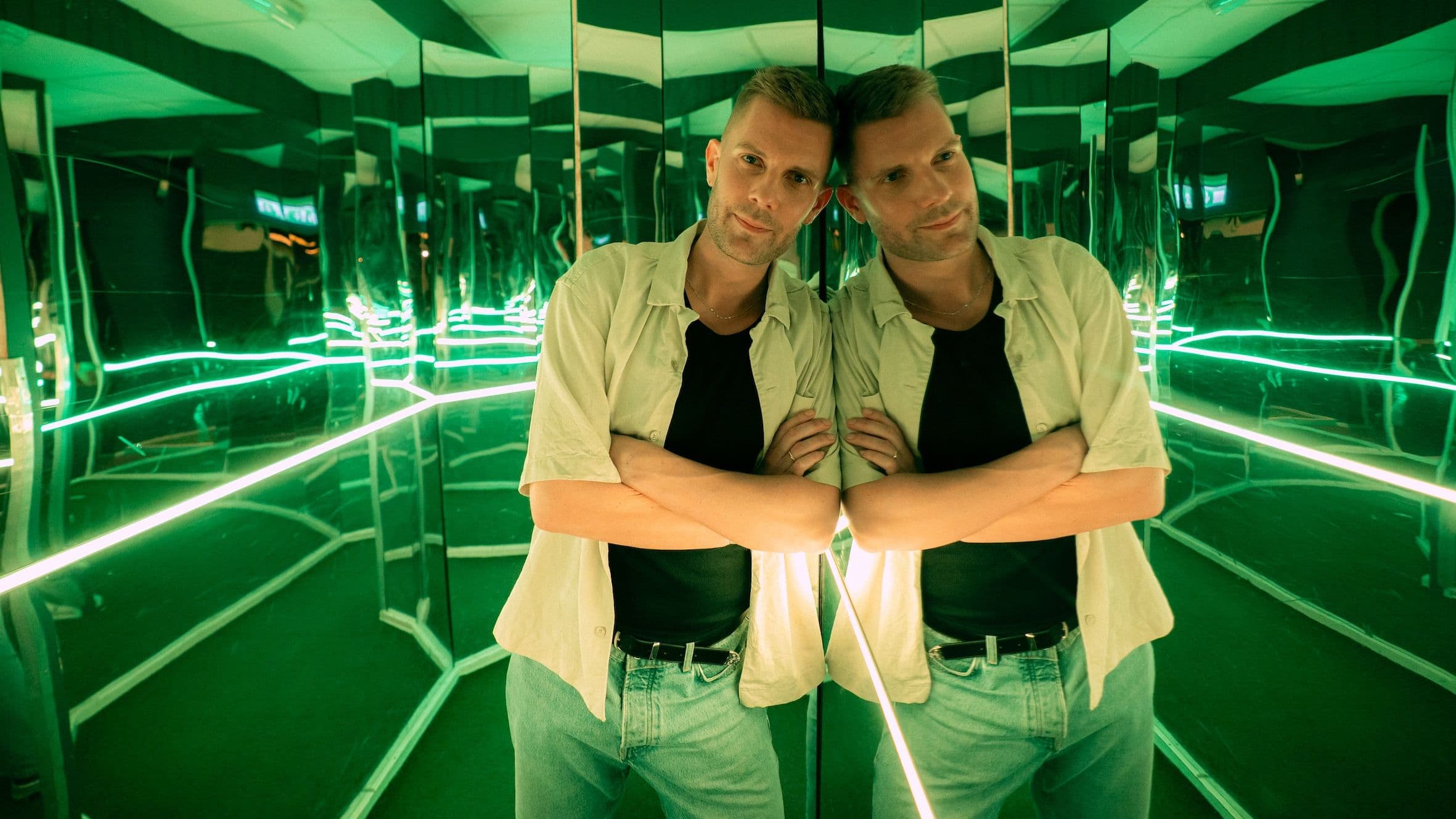
Foto: Michael Schult Ulriksen
Meet Slindre, resident DJ and driving force behind LOKOMOTIV, one of Oslo’s most popular queer club concepts. He has a focus on groove, energy and functional dancefloor tracks, Slindre’s sets are built to keep people moving.
His selection moves from disco and house into darker, more minimal shades of tech house and techno, without ever losing its bounce or sense of playfulness.
What would winning the Burn Energy Tour DJ Open mean for you?
Slindre:
Winning the Burn Energy Tour DJ Open would definitely boost my confidence as a DJ and selector. Every track in the set I submitted to the competition was chosen straight from the heart, so it's really cool that other people connect with the same kind of music. Getting the chance to play alongside local and international DJs on August 8 is incredibly exciting, and of course I hope it helps me get noticed and opens the door to playing more gigs in the future.
What first made you want to DJ?
Slindre:
I’d been fascinated by music, clubs and dancefloors for years, and the idea of DJing had been in the back of my mind for a long time. But if I’m honest, I never quite had the guts to take the leap.
Then something happened in my personal life that changed my perspective. Someone very close to me went through a serious health crisis, and for a while it looked like I might lose them. Thankfully, everything turned out okay, but the experience left a lasting mark on me. It triggered a real “life is short” mentality and made me stop postponing things I genuinely wanted to do.
Not long after, I ordered my first little set of decks and started teaching myself. What began as curiosity quickly became an obsession, and I haven’t looked back since.
What inspires your sound today?
Slindre:
I’m constantly chasing that balance between groove, tension and release — music that feels hypnotic and functional, but still has warmth and personality. My taste moves across house, techno and disco, but what connects it all is rhythm and movement.
I’m also deeply inspired by queer club culture and the sense of freedom, community and expression that great dancefloors can create. And while I take music seriously, I don’t think clubbing should always take itself too seriously. I love moments of humour and surprise, whether that’s an unexpected vocal, a pop culture reference or even a viral soundbite dropped into a set at just the right moment. Those little twists can create some of the most memorable dancefloor reactions.
What is one track or record that shaped your style?
Slindre:
If I had to pick one, I’d say Kingswing by Matador. It feels emotional and melodic, but also incredibly hypnotic and powerful on a dancefloor.
Looking back, it represents a period in electronic music that had a huge impact on me. The late 2000s and early 2010s produced some incredible tech house and techno records — music that was deep, groovy and patient, with a real focus on atmosphere and storytelling rather than instant gratification. Kingswing captures that spirit perfectly.
What does daytime clubbing mean to you?
Slindre:
To me, daytime clubbing feels liberating in a different way. There’s a unique sense of freedom that comes from knowing the whole day — and night — is still ahead of you. The energy feels lighter, more optimistic, and full of possibility.
Especially when it's outdoors and in broad daylight, daytime clubbing also feels more transparent. There’s less to hide behind, both for the artists and the crowd. Everything is out in the open. As a DJ, that means the music, the selections, and the connection with the audience become even more important.
Emma Magdalena
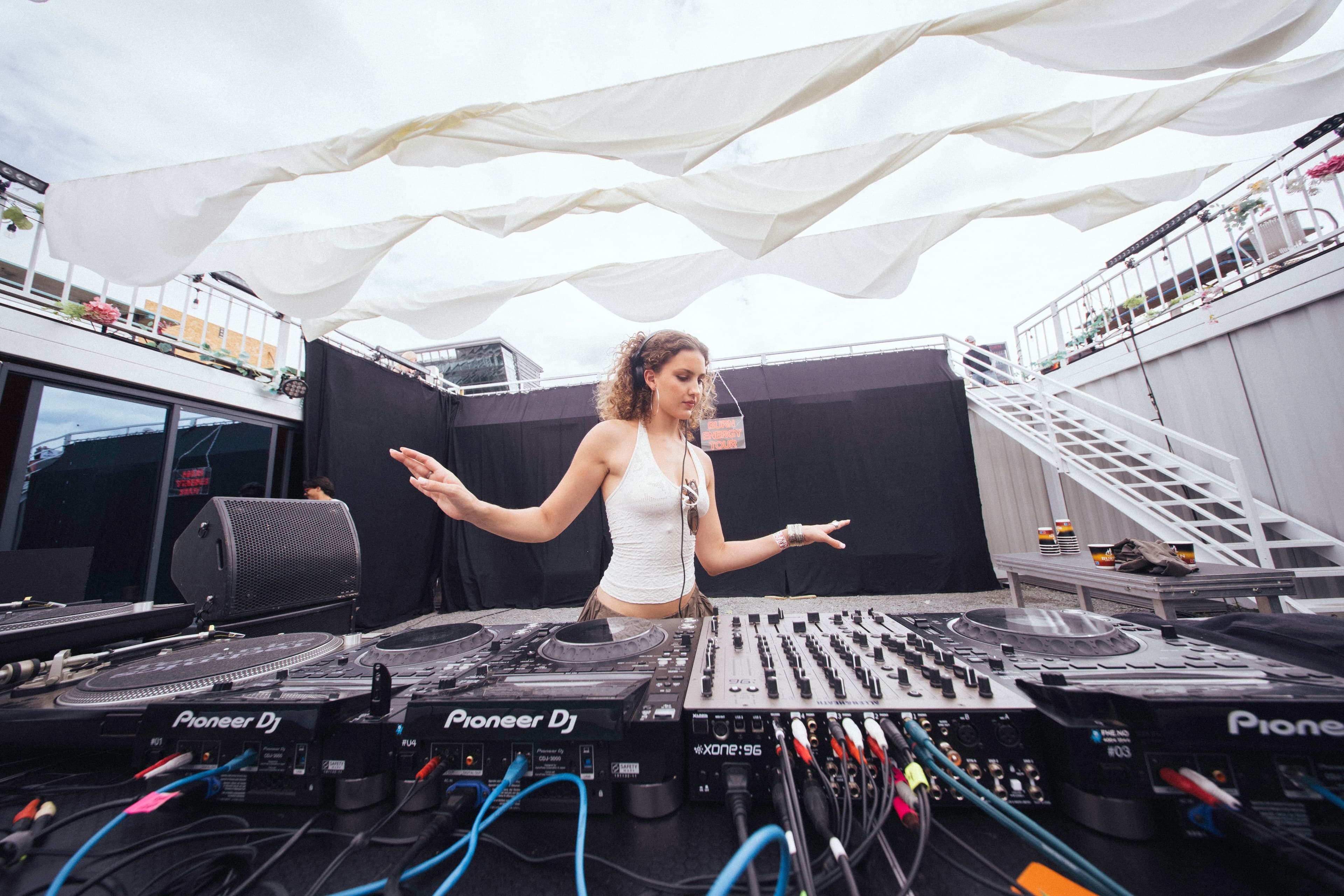
Foto: Thomas Refvik
Emma Magdalena approaches DJing from the body first. A dancer for most of her life, she found her way into club culture through movement before time in Berlin and London pulled her deeper into the language of underground electronic music.
Her sound sits across minimal, house, techno, electronica and breakbeat, with a clear affection for Romanian minimal’s rolling grooves and patient detail. Having played at Jæger, Gehør, Skaugum and Smelteverket, Emma is part of Oslo’s next wave of selectors, bringing a warm, curious and deeply physical energy to the booth.
What would winning the Burn Energy Tour DJ Open mean for you?
Emma Magdalena:
I think winning this competition could mean opening doors to a more international scene, cause even though the Oslo scene is really good, it’s quite closed off and not that connected to the more international scene. So hopefully winning the competition could mean getting more gigs internationally and getting to play more good music with great people.
What first made you want to be a DJ? Emma Magdalena:
Well, I’ve been a dancer most of my life, and going out in Oslo and later when I moved to Berlin and then London, I got to meet a lot of really good people and really good DJs, in the scene in the different cities. And the more you learn the more interesting it gets, so that's how I initially started DJing.
What inspires your sound today?
Emma Magdalena:
I think I still take inspiration from the London scene and the Berlin scene, but also very much from what is happening in Oslo, the community there and my friends. And obviously festivals that I’ve been to and big events, spaces like Fabric or Berghain and stuff like that.
What is one track or record that shaped your style?
Emma Magdalena:
I think the one record that shaped my style might have been the Ricardo Villalobos track Everywhere you go with Mari Kvien Brunvoll, who is a Norwegian artist. I had no idea who Ricardo Villalobos was at that time, but it was the beginning of a big rabbit hole.
What does daytime clubbing mean to you?
Emma Magdalena:
To me, daytime clubbing means a lot more happiness in a sense. I feel like when you're clubbing during the night it feels way harder and much darker, sometimes you feel like you’re dancing with the devil. That doesn’t happen during daytime clubbing, it’s much happier, you can see people smiling, it’s much more of a community vibe.
Javel
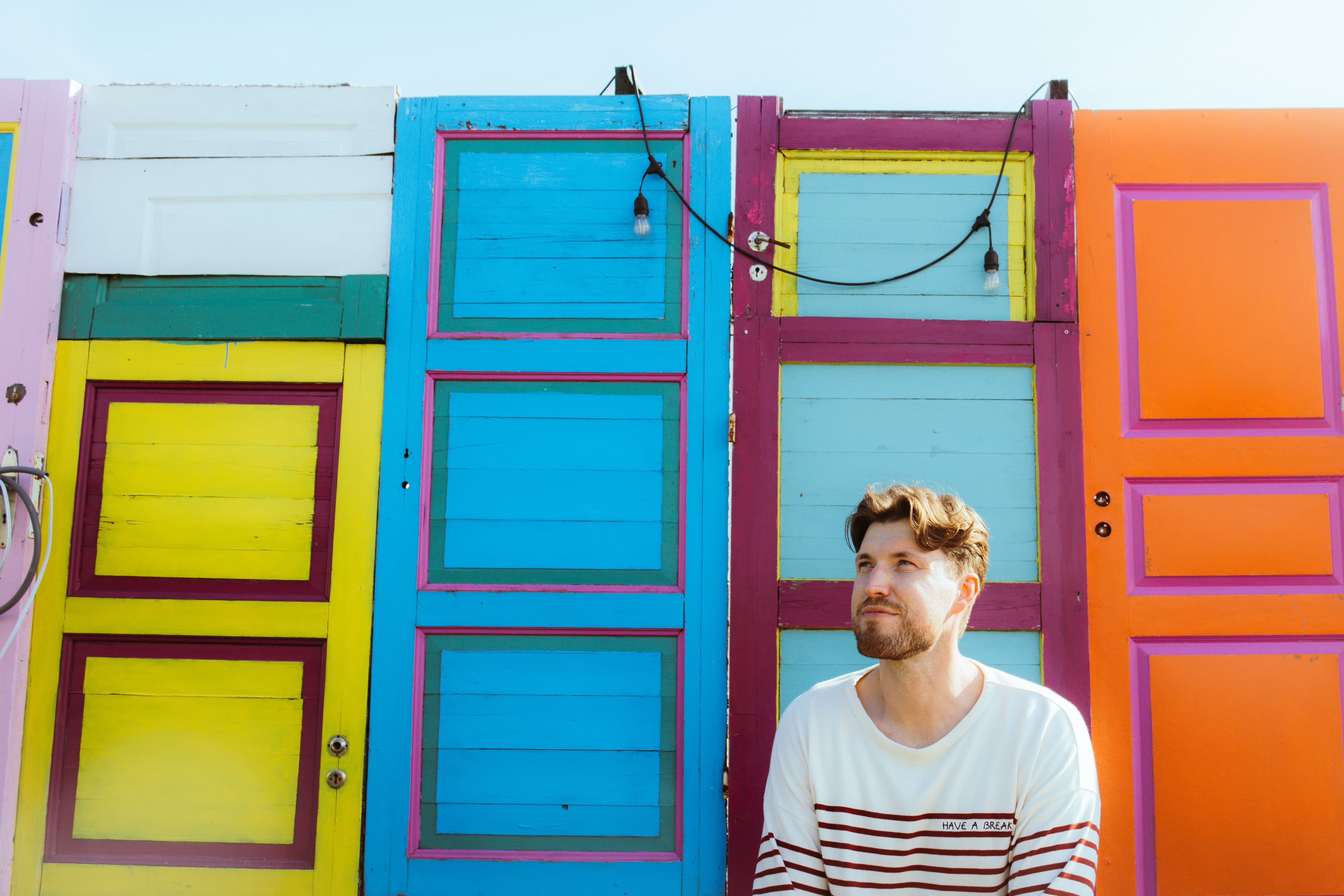
Foto: Stig Buvarp
Javel is a DJ and curator based in Norway, devoted to storytelling through the deeper realms of electronic music. With roots spanning the Baltic and Nordic scenes, he has built a strong presence in the underground community, bridging the dancefloor with a wider artistic vision behind the scenes.
He is a co-founder of Dub Bakery, a collective dedicated to dub music and its culture exploring sound system traditions, low end pressure, and the communal spirit at the heart of the genre. Alongside this, he together with like minded people runs Ghost Collective, a platform for bookings and a personal artistic outlet, supporting both his own work and the wider scene through carefully curated collaborations.
What would winning the Burn Energy Tour DJ Open mean for you?
Javel:
It would mean a lot. It would reinforce my trust in my taste and confidence as a DJ, while opening up possibilities to share my music with new crowds and create memorable experiences for both myself and the audience.
What first made you want to be a DJ?
Javel:
It started at school when we organized class events. Later, I attended DJ school, but over time my curiosity faded. Everything changed when I moved away from Norway and spent time in Lithuania, where I discovered Lizdas Club. That experience became a strong foundation for reigniting my interest and curiosity and it continues to inspire my journey today.
What inspires your sound today?
Javel:
I spend a lot of time digging for and discovering music through Bandcamp, social media, and newer platforms like Ghost Collective. Long conversations with friends about music are also a huge source of inspiration. Shout out to my friends from collectives: Monument and Dub Bakery, for constantly pushing and shaping my musical perspective.
What is one track or record that shaped your style?
Javel:
As a DJ, I draw inspiration from many different sounds and artists otherwise it would get boring, especially when there’s so much incredible music waiting to be discovered. If I had to choose one record, it would be Tablharmonium by Italian DJ and Producer Marco Shuttle on the La Vibe label. It’s a desert inspired cosmic journey that feels like a magic carpet ride through the dunes, carrying secrets along the way.
What does daytime clubbing mean to you?
Javel:
That’s a good question. Recently, together with Dub Bakery, Grounding Sessions and Nomadic Chai, we’ve started organizing Sunday daytime events. We believe daytime gatherings create opportunities to welcome people from different age groups and show that electronic music can be experienced in many different ways. Another important aspect is that people arrive with a different kind of energy during the day, which creates a unique atmosphere and connection on the dance floor.